Every year near Bondi beach, sculptures appear along the cliff for the enjoyment of the public.
(Click images for full size).


Every year near Bondi beach, sculptures appear along the cliff for the enjoyment of the public.
(Click images for full size).
A night out with the Sydney Street Photography meetup group proved a great first outing with my new FujiFilm X-E1 and the XF-35mm/f1.4. Shooting mostly at f1.4 and 1/125 second, I used auto ISO up to 6400 ISO. The low light capabilities of this camera make it excellent for night photography without a flash.
More thoughts on this little marvel to come.
If you click on any picture, you’ll get a full size image with the EXIF data.


On Saturdays the teens from the suburbs gravitate towards the Sydney Convention and Exhibition Centre. They gather in groups to practice parkour, crumping and dance to happy hardcore. The happy hardcore crew are the biggest. They move slowly, deliberately, then in unison they burst into a frantic, energetic dance, all flailing limbs and dayglo colours.


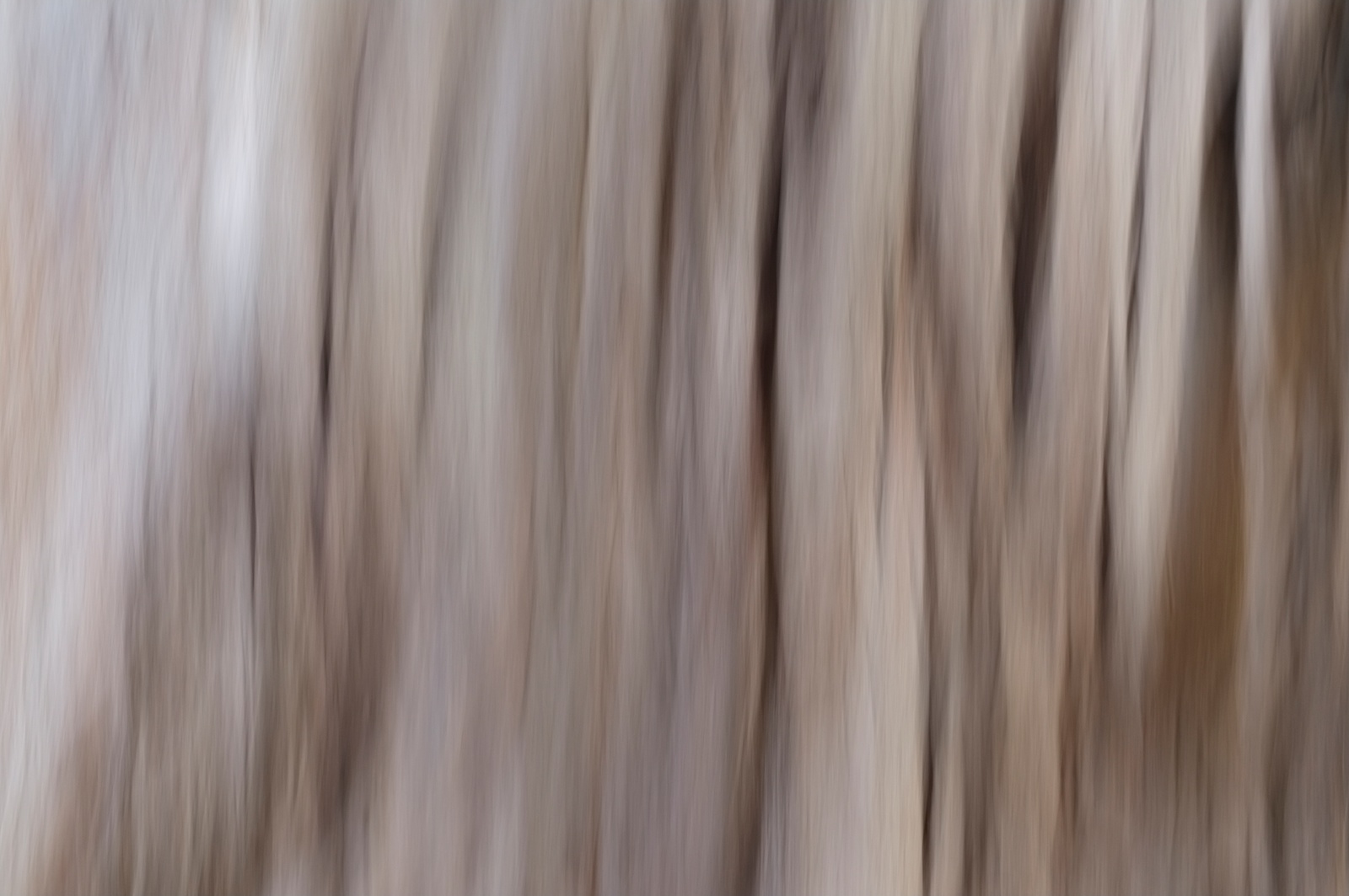
I couldn’t resist adding some movement and a slow shutter to create this abstract of a gum tree.
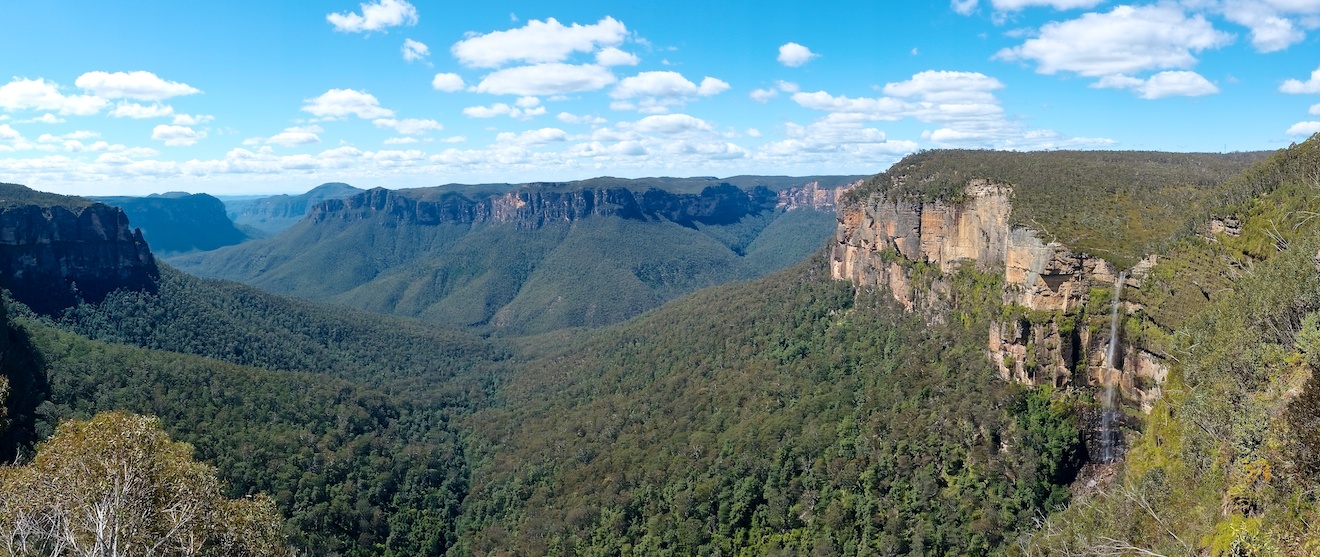
Named after the one of the original European surveyors, Govett, and the Scottish for waterfall (leap), this is the incredible view you get from Govett’s Lookout. Click on the image to see a bigger version.
The scale of the Australian landscape takes my breath away. I used to find the Scottish mountains “big”, in comparison to England, where I spent most of my life. The Highlands seem so small when you look out onto a vista like this.
The Blue Mountains get their name from the blue haze you see in the distance. This is caused by the eucalyptus oils evaporating from the forest and scattering the ultaviolet wavelength of the sun.
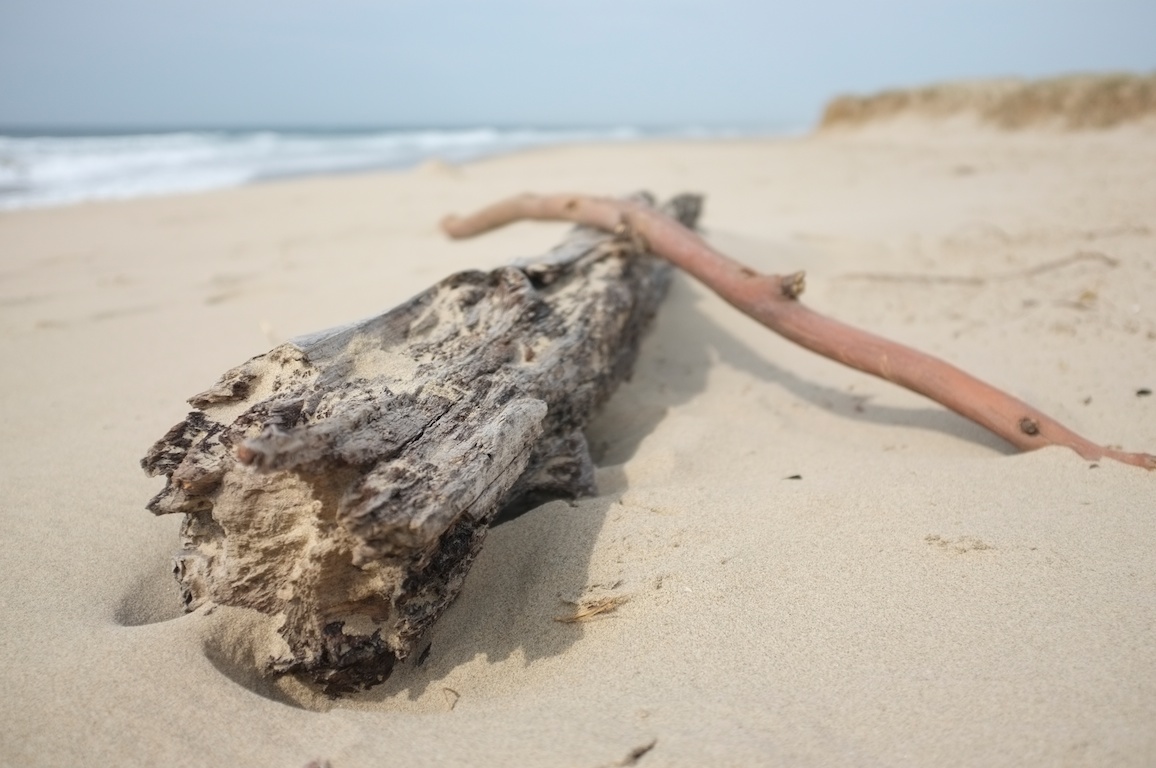
South of Gerringong is a nature reserve called Seven Mile Beach. It won’t surprise you that it’s a beach that’s seven miles long.
What did surprise, and delight me, was that there was only one other person there, and they were walking away.
I was able to walk along freshly washed sand, with no sound other than the waves.


I’m still thrown by the seasons and the southern hemisphere!
It’s now September, which means Spring is here. The cherry trees in the Blue Mountains are bursting forth with their blossoms, and the air is filled with the scent of the trees.
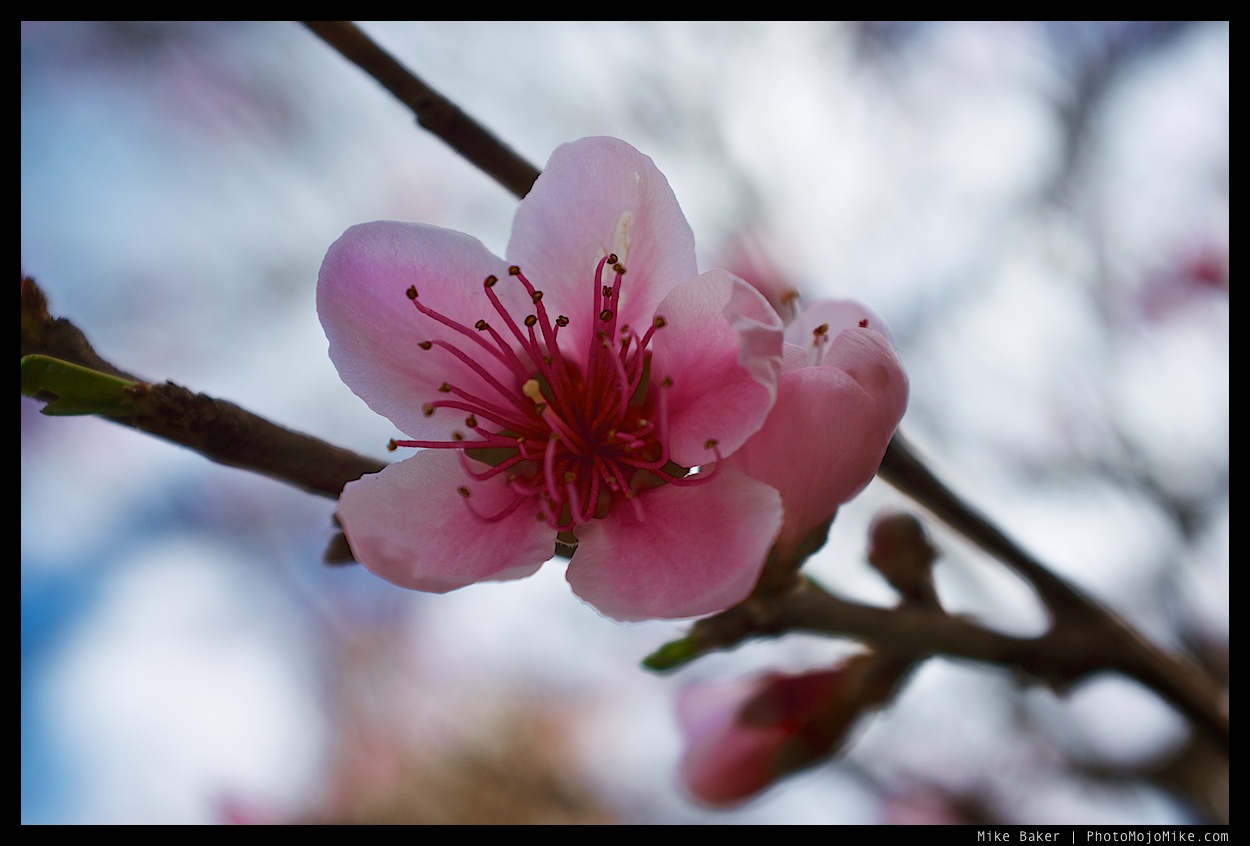
Cherry Blossom
Every year a public art work known as the Sea of Hands is created on one of the lawns at the University of Sydney. The hands show support by people for Indigenous Native Title Rights and Reconciliation. The Sea of Hands is made from the colours of the Aboriginal, Torres Strait Islander and Australian flags (black, blue, green, red, white and yellow), and each bears the name of the person who planted it.


