Every year near Bondi beach, sculptures appear along the cliff for the enjoyment of the public.
(Click images for full size).


Every year near Bondi beach, sculptures appear along the cliff for the enjoyment of the public.
(Click images for full size).
A night out with the Sydney Street Photography meetup group proved a great first outing with my new FujiFilm X-E1 and the XF-35mm/f1.4. Shooting mostly at f1.4 and 1/125 second, I used auto ISO up to 6400 ISO. The low light capabilities of this camera make it excellent for night photography without a flash.
More thoughts on this little marvel to come.
If you click on any picture, you’ll get a full size image with the EXIF data.


On Saturdays the teens from the suburbs gravitate towards the Sydney Convention and Exhibition Centre. They gather in groups to practice parkour, crumping and dance to happy hardcore. The happy hardcore crew are the biggest. They move slowly, deliberately, then in unison they burst into a frantic, energetic dance, all flailing limbs and dayglo colours.


Every year a public art work known as the Sea of Hands is created on one of the lawns at the University of Sydney. The hands show support by people for Indigenous Native Title Rights and Reconciliation. The Sea of Hands is made from the colours of the Aboriginal, Torres Strait Islander and Australian flags (black, blue, green, red, white and yellow), and each bears the name of the person who planted it.


If there’s one form of photography guaranteed to stir up strong opinions, it’s street photography. Why? Let’s start by understanding what is considered to be street photography.
Wikipedia describes it as
a type of documentary photography that features subjects in candid situations within public places such as streets, parks, beaches, malls, political conventions and other settings.
Street photography uses the techniques of straight photography in that it shows a pure vision of something, like holding up a mirror to society. Street photography often tends to be ironic and can be distanced from its subject matter, and often concentrates on a single human moment, caught at a decisive or poignant moment. On the other hand, much street photography takes the opposite approach and provides a very literal and extremely personal rendering of the subject matter, giving the audience a more visceral experience of walks of life they might only be passingly familiar with. In the 20th century, street photographers have provided an exemplary and detailed record of street culture in Europe and North America, and elsewhere to a somewhat lesser extent.
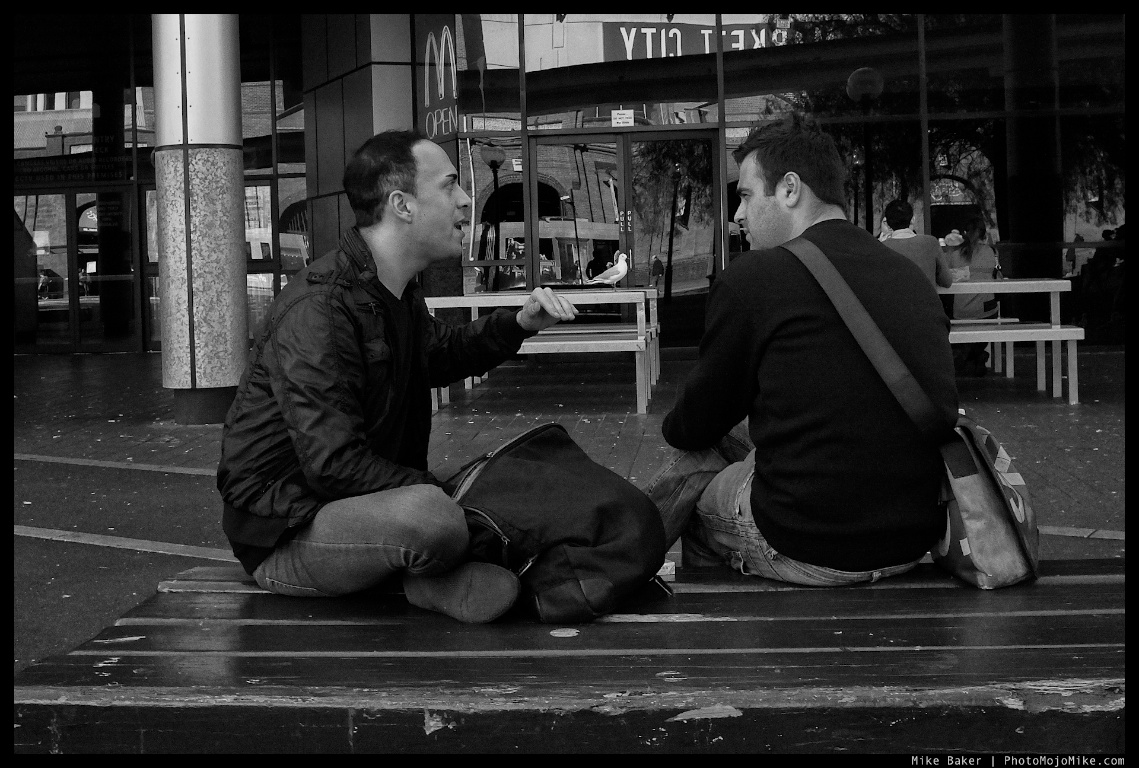
Deep In Conversation
So what does this mean for me? Above all, I see my street photographs as documentary in nature. I am an observer, capturing individual moments which show context and I aim to tell a story – the interaction between people and their environment and each other.
There is a “style” of street photography that attempts to interact with people on the street by shocking them (such as leaping out in front of them and firing a flash) and provoking a reaction that would not exist without the photographer. This doesn’t appeal to me one iota. Not only do I think it shows a lack of respect to others (how would you feel if someone did this to you?), but the photographer changes from an observer to a participant, essentially rearranging the scene to suit them.
Similarly, asking people if you can photograph them before-hand alters the whole dynamic of the scene. Once people become conscious that they are being photographed, their behaviour changes, and you are no longer capturing a “true” or “real” situation.

Rich Pickings
So I observe, and capture those moments of interaction.

Audience
I have joined a street photography group on Meetup, as I’ve always been interested in capturing moments of life, and now that I live in (well, nearby now) Sydney, I found myself inspired when walking the streets. It’s such a vibrant city, with lives that flow and intertwine in front of my eyes every time I step out onto the pavement.
The organiser (Nathan) did a great job. With 38 people turning up, we split into groups with a more experienced lead, and headed out for a couple of hours of “shutter therapy“.

Real Kodak Pictures

A lot of bottle

Textual focus
P.S. I am experimenting with WordPress HiDPI support, so if anyone with a wondrous Apple MacBook Pro Retina display is reading this, I hope you are getting the full, high resolution versions!
I’d never heard of Yum Cha before we arrived in Sydney. It has now become a firm family favourite on a Sunday, combined with a trip to visit a museum or exhibition.
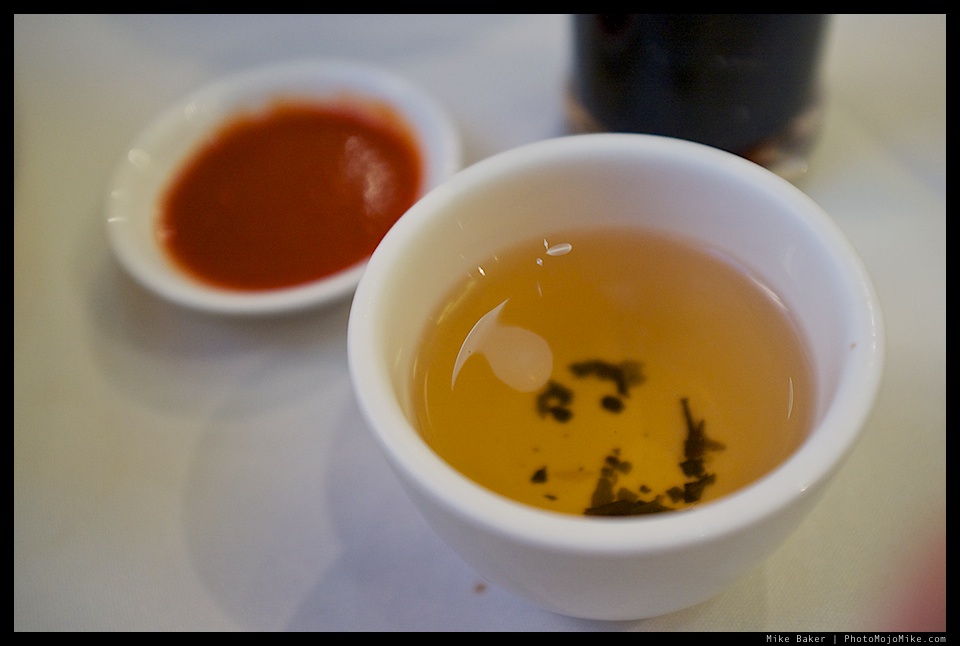
Ladies push trollies of dim sum around the restaurant, and as you pick delicious sounding dishes (fluffy, doughy buns filled with char sui pork and rice noodle parcels containing scallops and spring onion are our favourite) they stamp your card with their ID, ensuring they get paid for their service. A large pot of green tea washes it all down.
And as any parent with impatient children will appreciate, you are tucking in within seconds of taking your seat.


Shelly Beach is my wife’s favourite in Sydney. I’ve noticed a habit of naming beaches around here after English poets.
We’ve discovered the Family Funday Sunday transport tickets – unlimited rides on bus, train and ferry for $2.50 on a Sunday. It’s a wonderful way to see the area around Sydney – not only do we avoid the hassle of parking, but we get to sail past the Opera House regularly, and that’s enough to put a smile on anyone’s face. Ride the ferry to Manly, and a short walk takes you from the bustling seafront to Shelly beach. As soon as you turn the corner around the bluff, it’s a quieter world.
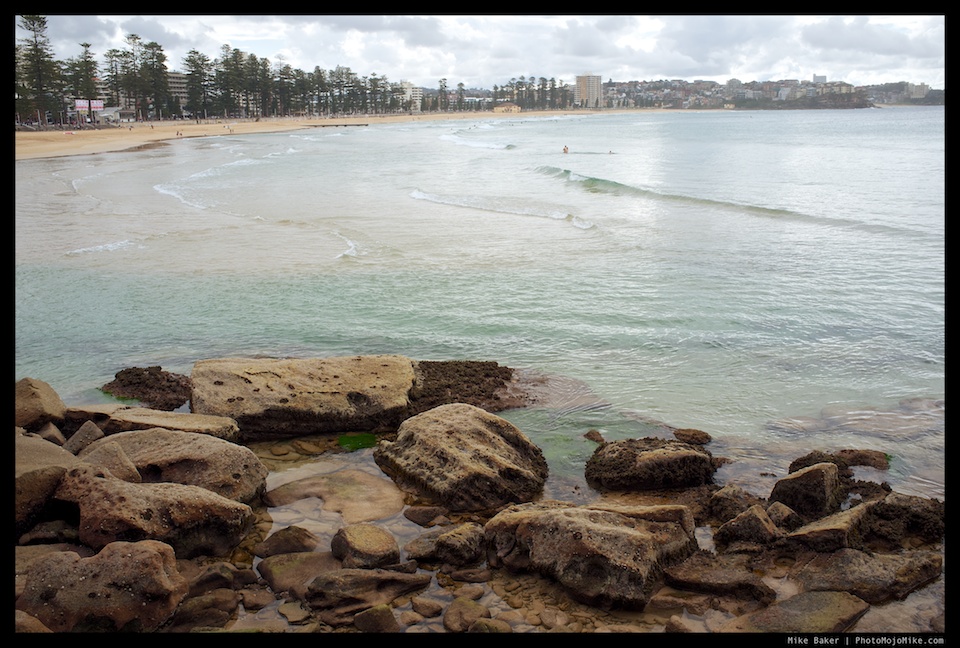
Looking back at Manly on the way to Shelly beach.

Yes, it was as cold as it looked! Imagine having this salt-water pool on your doorstep. Apartments here go for a bargain $2.4 million.
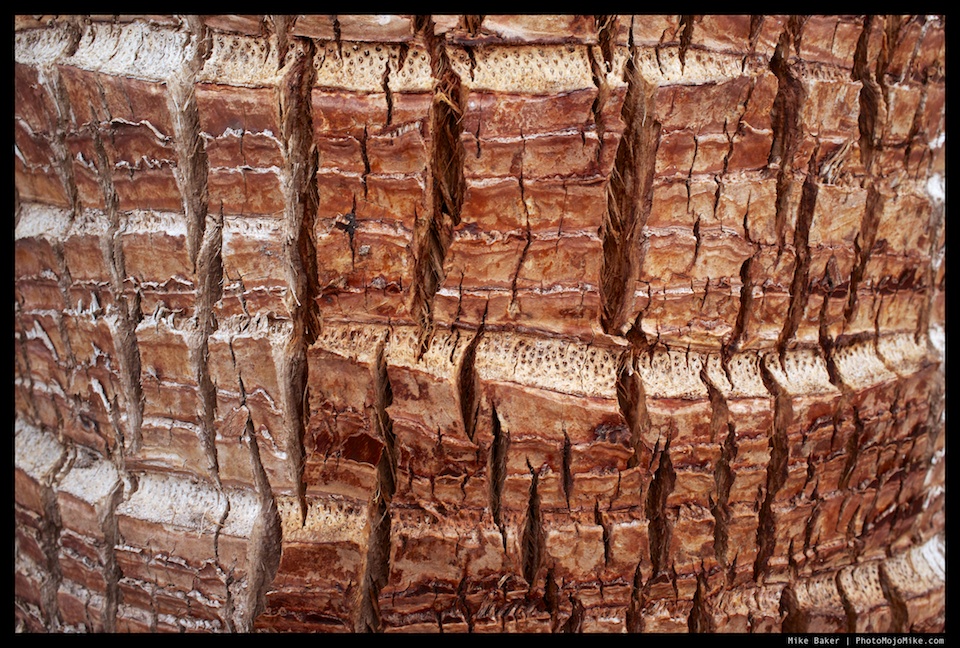
Wonderful textures on the trees.

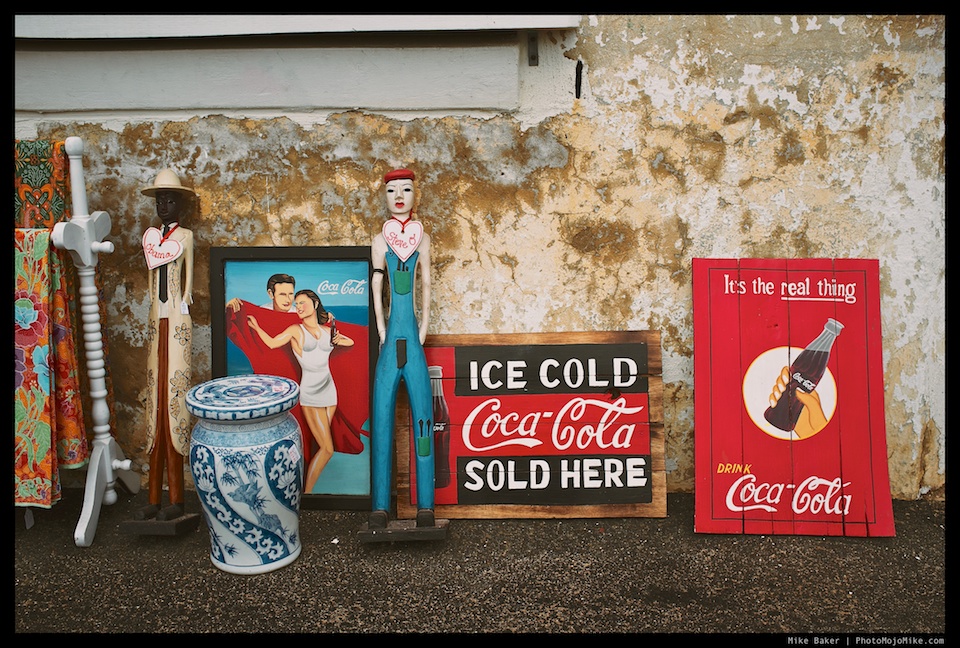
An interesting bric-a-brac shop on the way.
Rainy weather is a great excuse for ducking into a cafe…